Climate Change Leaves Flood Survivors More Vulnerable as Recovery Efforts Fail, New Survey Warns
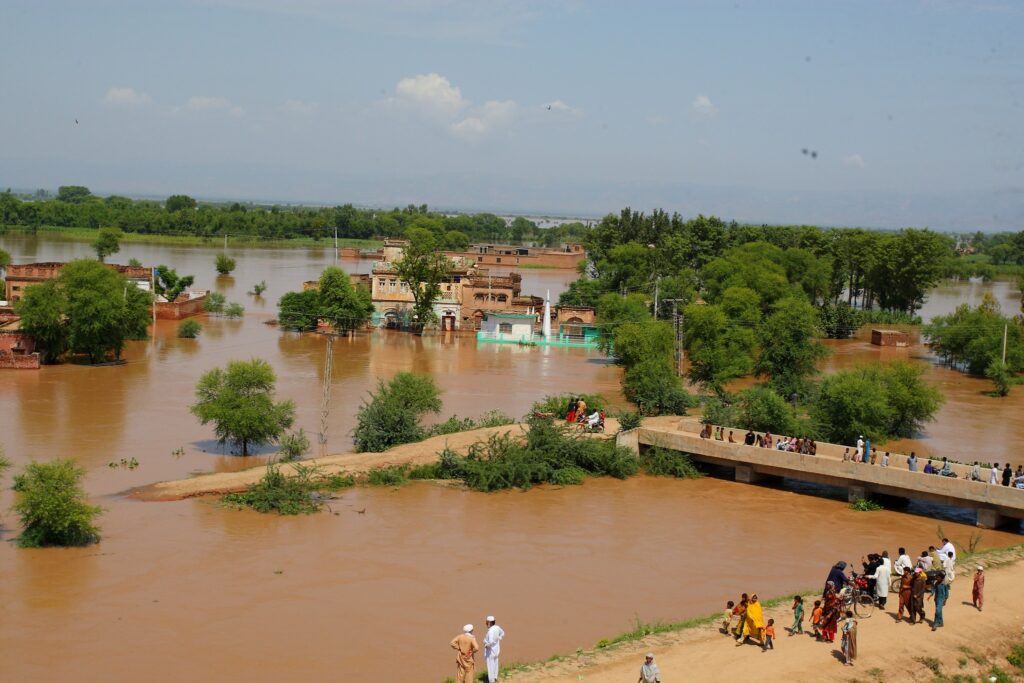
FAISALABAD: Thousands of families affected by Pakistan’s devastating 2025 floods remain trapped in poverty and vulnerability as inadequate recovery and rehabilitation efforts have failed to restore livelihoods, housing and resilience ahead of the next monsoon season, according to a new survey released by Pattan and Coalition-38.
The survey, conducted among 140 flood-affected households in 35 severely impacted communities across Punjab and Khyber Pakhtunkhwa, found that nearly 79 percent of respondents are poorer today than they were before the floods, while only 4.7 percent reported fully recovering their losses.
Researchers warned that climate change is increasing the frequency and intensity of extreme weather events, yet communities remain dangerously unprepared. More than 90 percent of respondents identified climate change as a major driver of increasingly severe and unpredictable floods. However, an equally large majority expressed dissatisfaction with government efforts to strengthen resilience and preparedness.
The report highlights what it describes as an “unequal recovery process,” alleging that compensation and rehabilitation mechanisms disproportionately benefited politically connected and influential groups while many vulnerable households received little or no support. Only 20 out of 140 surveyed households reported receiving government compensation.
Housing reconstruction remains a major challenge, with more than two-thirds of affected families unable to substantially repair or rebuild their homes. Over half of respondents reported no recovery of livelihood-related losses, while 42 percent said they had not recovered from flood damages at all. Many families estimate it will take between five and ten years to regain their pre-flood economic status.
The survey also found virtually no evidence of effective community-based disaster preparedness, early warning systems or evacuation planning in flood-prone riverine areas.
Coalition-38 and Pattan urged federal and provincial governments to prioritize climate adaptation measures, strengthen local disaster preparedness, improve transparency in compensation distribution and invest in long-term resilience-building initiatives. The report warns that without urgent action, future climate-induced floods will deepen existing inequalities and leave already vulnerable communities facing even greater risks.