Faisalabad Moves to Shut Down Hazardous Industrial Units Amid Climate and Public Health Concerns

FAISALABAD: Authorities have decided to take action against industrial units operating in residential areas of Faisalabad, citing environmental pollution, public health risks and the need to protect workers and communities from industrial hazards amid growing climate-related challenges.
The decision was taken at a meeting of the Industrial Relocation Committee chaired by Commissioner Faisalabad Dr Imran Hamid Sheikh. Teams from the Labour Department, Municipal Corporation and Environmental Protection Agency will issue notices to 441 industrial units located within or close to populated areas and assess their environmental approvals, labour profiles, building-plan approvals and the capacity and safety of boilers and pressure vessels.
Commissioner said the safety of workers as well as residents living around industrial units would remain the administration’s priority. He directed the relevant departments to undertake a comprehensive assessment of the units before determining further action, including closure or relocation where necessary.
The move follows a recent survey by the Environmental Protection Department, which found that more than half of Faisalabad’s urban industrial units fell into the “very high” environmental-risk category.
The survey mapped 782 industrial units across 105 union councils, employing around 43,612 workers. It found that 568 units were located within 500 metres of residential areas, while 441 were situated directly inside or adjacent to populated neighbourhoods.
The survey also revealed significant regulatory gaps. As many as 734 factories reportedly lacked environmental no-objection certificates, while 70 industrial units were operating in violation of land-use regulations and without the required environmental clearances or chemical licences. The survey recommended strict action rather than simply regularising such violations.
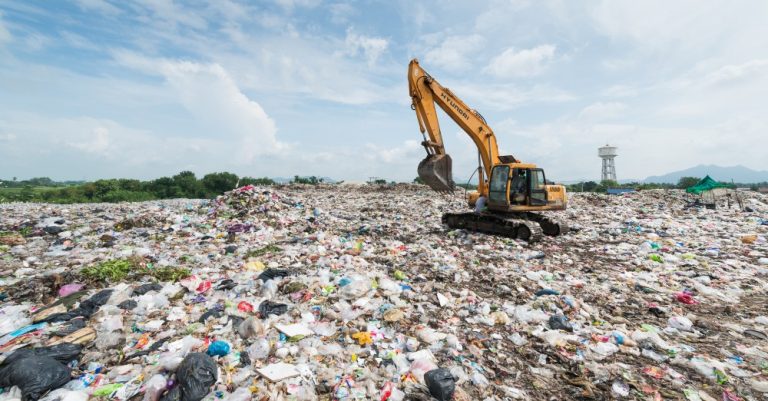
The assessment considered risks associated with boiler emissions, untreated industrial waste and the proximity of factories to residential communities. Such emissions and untreated waste can contribute to poor air quality, water and soil contamination and wider environmental pressures, making industrial pollution an increasingly important concern in a city already facing the effects of extreme heat and deteriorating air quality.
The findings have strengthened the administration’s broader plan to relocate hazardous industries from densely populated parts of the city to designated industrial areas equipped with appropriate infrastructure and environmental safeguards.
Officials including DG FDA Muhammad Asif Chaudhry, Deputy Director EPA Usman Azhar, Director Labour Welfare Rai Yaseen and DO Industries Muhammad Irfan attended the meeting.
The proposed action represents an important shift from dealing with industrial pollution only as a regulatory issue to recognising its wider connection with climate resilience, public health and sustainable urban development. For a rapidly expanding industrial city like Faisalabad, relocating high-risk industries, enforcing environmental standards and ensuring proper waste and emissions management could help reduce pollution exposure while creating a safer and more climate-resilient urban environment.