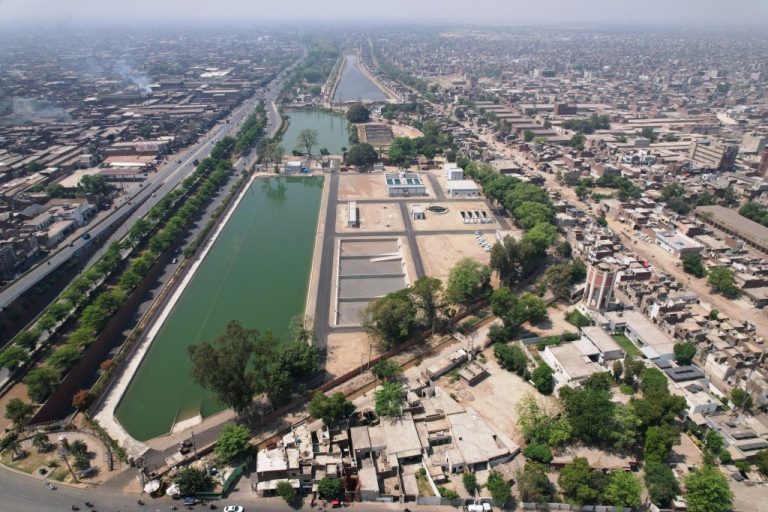
World Environment Day 2026: Faisalabad Faces Growing Climate Threats

As the world marks World Environment Day 2026 on June 5 under the theme “Inspired by Nature. For Climate. For Our Future”, environmental experts are warning that Pakistan, particularly Punjab’s industrial and agricultural heartland, faces mounting climate challenges that require urgent and coordinated action.
From record-breaking heatwaves and worsening air pollution to water scarcity, declining biodiversity, and increasingly erratic weather patterns, the impacts of climate change are becoming more visible across the country. Faisalabad, Pakistan’s third-largest city and a major industrial hub, stands among the urban centres most vulnerable to these environmental pressures.
Rising temperatures and extreme weather
Climate scientists have noted a steady rise in average temperatures across Pakistan over the past decades. Punjab has witnessed prolonged heatwaves, changing rainfall patterns, and more frequent extreme weather events that threaten public health, agriculture, and economic productivity.
In Faisalabad, summer temperatures frequently exceed 45 degrees Celsius, increasing heat-related illnesses and placing additional pressure on electricity and water supplies. Experts warn that extreme heat is becoming a persistent climate risk rather than an occasional weather event.
Air pollution remains a major concern
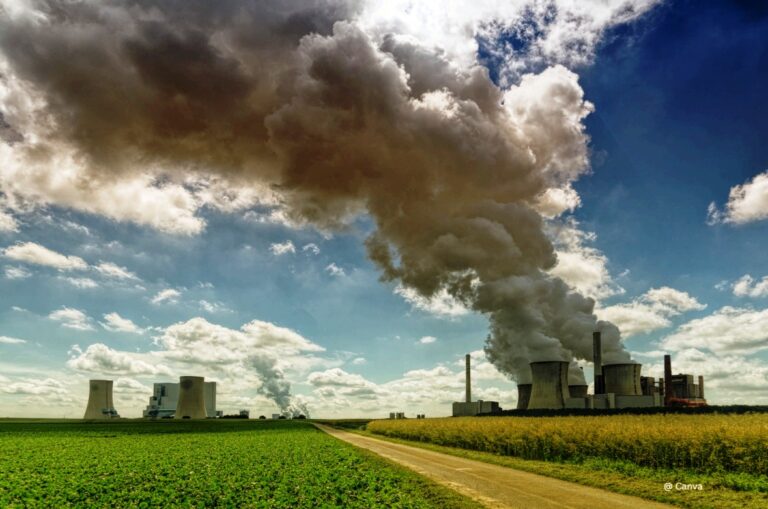
Faisalabad continues to struggle with deteriorating air quality due to industrial emissions, vehicle exhaust, crop residue burning, brick kilns, and construction-related dust.
During winter months, smog often engulfs large parts of Punjab, including Faisalabad, Lahore, and surrounding districts. Environmental researchers have linked poor air quality to respiratory diseases, cardiovascular problems, and reduced productivity.
According to health experts, children, elderly citizens, and outdoor workers remain among the most vulnerable groups affected by prolonged exposure to polluted air.
Water stress and agricultural risks
Punjab’s agriculture sector, which forms the backbone of Pakistan’s food security, is increasingly vulnerable to climate change.
Changing rainfall patterns, groundwater depletion, and rising temperatures are affecting crop yields and increasing irrigation demands. Farmers across central Punjab have reported difficulties managing water resources amid growing uncertainty regarding seasonal weather patterns.
Environmentalists warn that continued over-extraction of groundwater, particularly in urban and industrial centres such as Faisalabad, could worsen future water shortages.
Loss of green spaces and biodiversity
Rapid urbanisation has contributed to the shrinking of green spaces in many cities, including Faisalabad. Experts argue that urban forests, parks, wetlands, and natural ecosystems play a critical role in reducing temperatures, improving air quality, and enhancing climate resilience.
The theme of this year’s World Environment Day highlights the importance of nature-based solutions, including afforestation, wetland restoration, sustainable agriculture, and ecosystem conservation.
Pakistan among the most climate-vulnerable countries
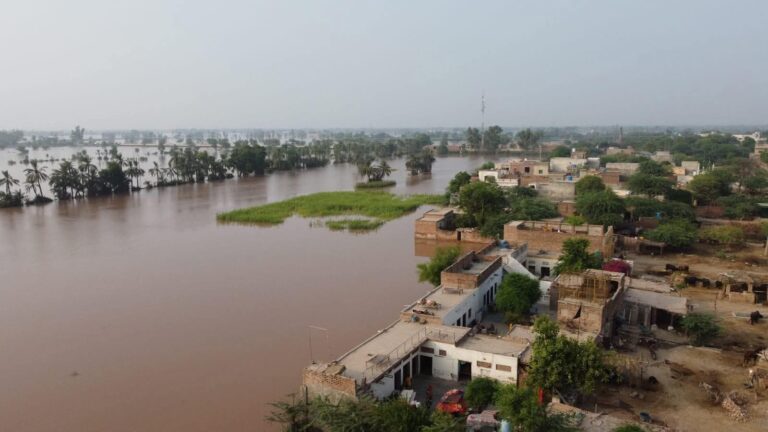
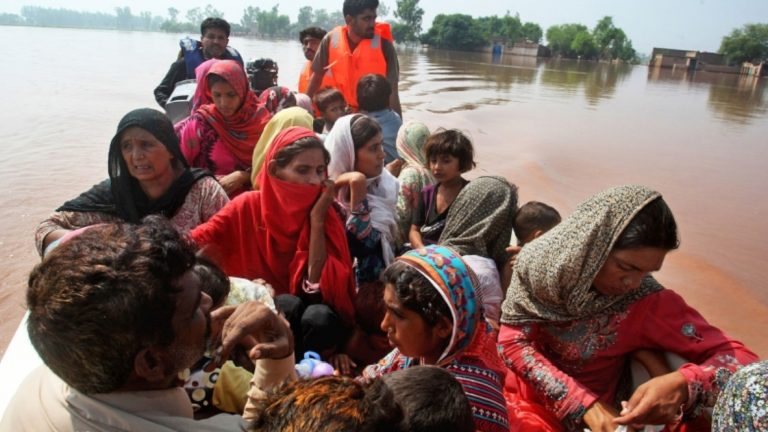
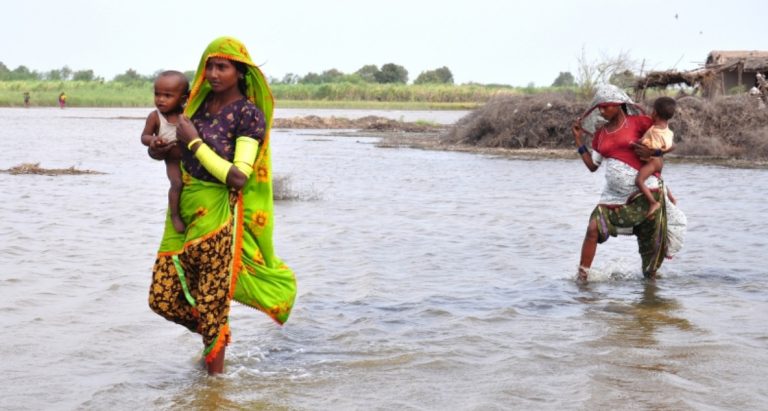
The devastating floods of 2022, recurring heatwaves, glacial melting in northern regions, and increasing drought risks demonstrate the scale of the challenge facing the country.
Environmental experts say climate adaptation and resilience-building must become central components of national and provincial development planning.
A call for climate action
On World Environment Day 2026, environmental advocates are calling for stronger enforcement of environmental regulations, investment in renewable energy, improved urban planning, sustainable water management, and greater protection of natural ecosystems.
They stress that climate action is not solely the responsibility of governments. Industries, businesses, educational institutions, civil society organisations, and citizens all have a role to play in reducing environmental degradation and building climate resilience.
As Faisalabad and other cities across Punjab confront growing environmental pressures, experts say the message of this year’s World Environment Day is clear: protecting nature is no longer optional. It is essential for safeguarding public health, economic stability, and the future of coming generations.