Beyond the Database: Snowball Sampling in Climate, Environmental, and Public Health Research

As healthcare researchers, we often face a critical challenge: how to study populations that are hidden, hard to reach, or not listed in any database. From patients with rare diseases and undocumented migrants to individuals experiencing stigmatised health conditions, these groups are frequently excluded from research, creating a significant gap in our understanding of health and disease.
In these scenarios, traditional probability sampling methods—such as random selection from a master list—are not feasible. This is where snowball sampling becomes an essential, yet often misunderstood, tool. When used carelessly, it can lead to biased, non-generalizable results. But when applied with rigour and transparency, it can open the door to vital knowledge that would otherwise remain locked away.
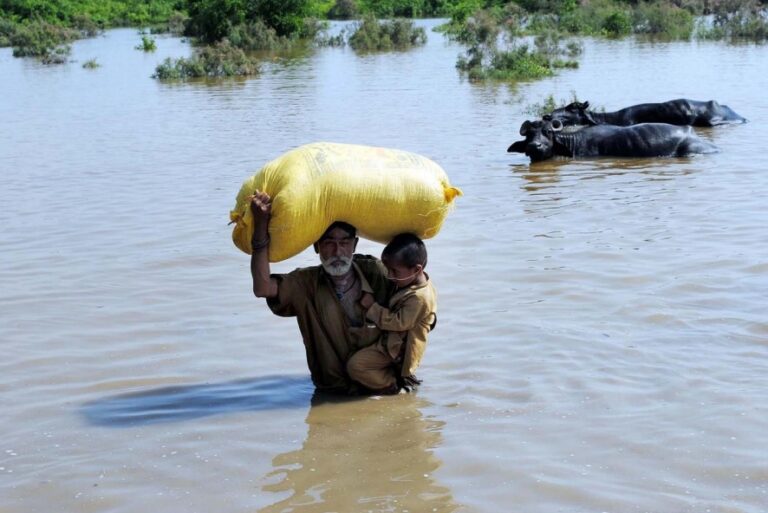
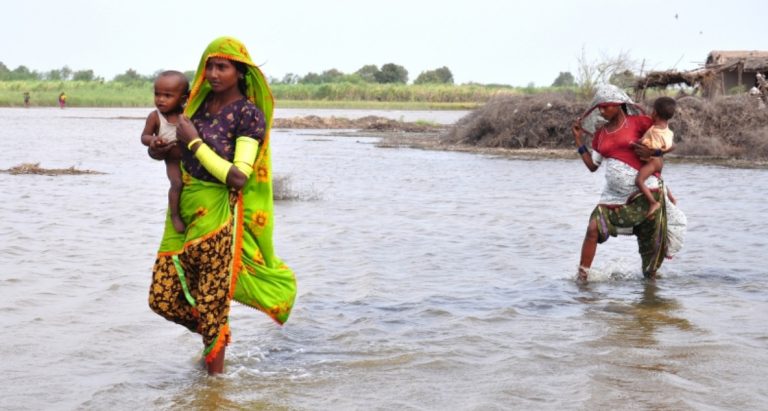
Snowball sampling is particularly relevant in climate and environmental research when studying displaced populations, informal waste workers, heatwave-affected communities, or undocumented climate migrants.
Here are key guidelines to ensure your use of snowball sampling is methodologically sound and ethically grounded.
- Justify Its Use: Know Why Before You Start
The first rule is simple: Do not use snowball sampling as a mere convenience. Its use must be a justified, proactive choice. In your research proposal and publications, clearly state:
- Why the target population is hard to reach. Is it due to stigma (e.g., substance use disorders), privacy concerns (e.g., HIV status), or the absence of a sampling frame (e.g., informal caregivers)?
- Why alternative methods are not feasible. Explain that no registry, list, or central database exists from which to draw a random sample.
A strong justification transforms snowball sampling from a weakness into the most appropriate methodological response to a real-world constraint.
- Diversify the “Seeds”: Avoid the Closed-Network Trap
The initial participants (“seeds”) are the foundation of your sample. If you start with a small, homogenous group (e.g., all from the same clinic or support group), your entire sample will reflect that narrow network.
- Strategy: Purposively select a diverse set of initial seeds. Recruit from multiple locations—different clinics, geographic areas, online forums, and community centres. This “purposive seeding” is the most critical step in introducing variety and reducing bias.
- Set Clear Quotas and Monitor Diversity
Don’t let the “snowball” roll on autopilot. Actively manage the recruitment process.
- Strategy: Pre-define quotas for key characteristics relevant to your study (e.g., age, gender, socioeconomic status, disease severity). As referrals come in, monitor the sample’s composition. If you are only recruiting young men, for example, you can ask subsequent seeds to refer you to older participants or women specifically. This proactive management helps create a more heterogeneous and representative sample of the hidden populationyou are studying.
- Acknowledge Limitations with Transparency and Strength
Honesty is your greatest asset. Never claim statistical generalizability to the broader public—your sample is not random. Instead, frame your study’s contribution accurately.
- Strategy: Clearly state the limitations in your manuscript. Then, pivot to the concept of transferability. You achieve this by providing a “thick description” of your context, participants, and methods. This enables other professionals to assess how your findings may be applicable to their specific settings. Your goal is not to represent everyone, but to provide deep, credible insights into an under-researched group.
- Hybridize for Rigor: Combine with Probability-Based Methods
This is an advanced but highly effective strategy. Use snowball sampling to build your sampling frame, then apply random selection within that frame.
- Example: A researcher studying a rare condition might use snowball sampling over several months to identify as many eligible patients as possible. Once this “population list” is created, they can use a random number generator to select the final study participants from this list. This hybrid approach minimises the researcher’s selection bias and strengthens the study’s internal validity.
- Uphold the Highest Ethical Standards
Snowball sampling introduces unique ethical challenges.
- Privacy: Participants are referring their peers. You must have robust protocols to protect the confidentiality of both the referrer and the referral. Never disclose a potential participant’s identity to the person who referred them without explicit permission.
- Informed Consent: Ensure referred individuals understand how they were identified and that their participation is entirely voluntary, with no obligation to the person who referred them.
- Peer Pressure: Be sensitive to the potential for perceived coercion within close-knit communities.
The conclusion
Snowball sampling is not a shortcut; it is a specialized tool for a specific job. By justifying its use, strategically diversifying your seeds, actively managing recruitment, and transparently acknowledging its limits, you can harness its power to generate valuable evidence for the patients and communities that need it most. In the mission to leave no one behind in healthcare research, mastering these guidelines is not just good science—it’s a necessity.
About the author: The Author is a former assistant professor of rehabilitation at Riphah International University, Lahore. Currently working as a Physiotherapist at the University of Child Health Sciences, the Children’s Hospital, Lahore. The author can be reached at wajishahid89@gmail.com