Faisalabad Overlooked in Climate Budget Despite Rising Environmental Threats

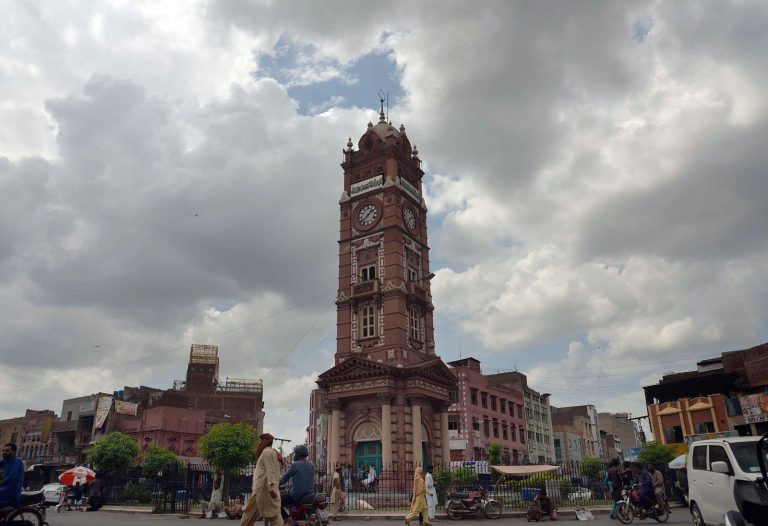
Despite being Punjab’s second-largest city and its leading industrial hub, Faisalabad received no city-specific climate change project in the Punjab Government’s 2025–26 budget, sparking concerns among environmentalists and civic bodies.
The Rs. 5 billion climate budget includes province-wide programs like the Air Safe Program (Rs. 2 billion), CM’s Plant for Pakistan (Rs. 1.3 billion), and EPA Capacity Enhancement (Rs. 1.27 billion). While these initiatives could indirectly benefit Faisalabad, no targeted intervention addresses its pressing environmental crises.
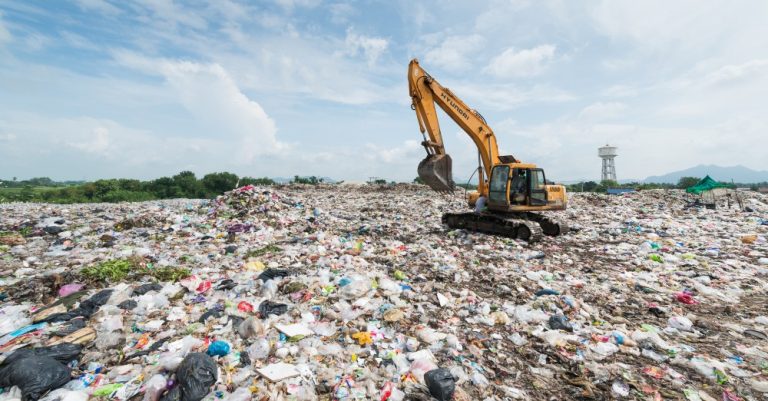
With rising industrial pollution, untreated sewage discharge into rivers, groundwater depletion, and frequent urban flooding, Faisalabad faces a mounting climate burden. Air quality continues to deteriorate, particularly in winter, as brick kilns, textile dyeing units, and vehicular emissions go unchecked. According to WASA and environmental experts, the city loses millions of gallons of rainwater annually due to inadequate recharge systems, exacerbating its water scarcity.
Unlike Lahore, which has secured billions for solid waste, drainage, and smog control, Faisalabad remains without dedicated urban forestry plans, wastewater treatment expansion, or green infrastructure funding.
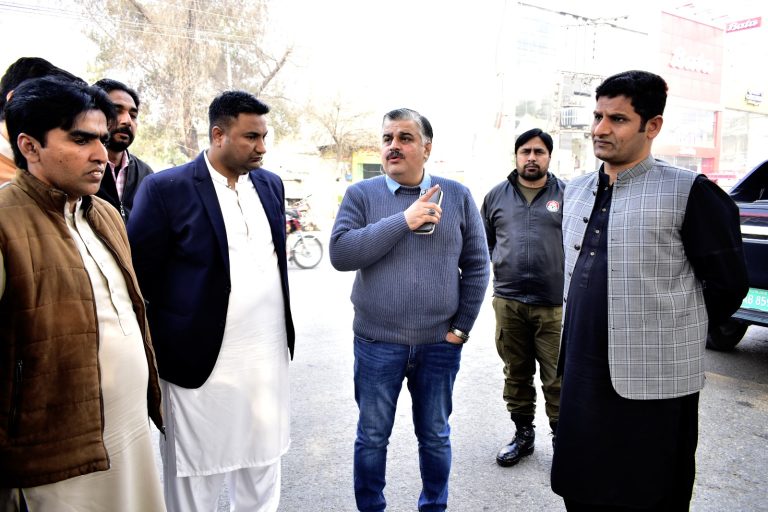
Local stakeholders are now urging the Punjab government to recognize Faisalabad’s strategic and environmental significance, calling for targeted projects under the CM’s Green Punjab Program and Air Safe Initiative. Civil society groups have also proposed reviving Faisalabad’s abandoned recharge well pilot project and investing in urban forest belts to tackle smog and rising temperatures.
If timely action is not taken, experts warn Faisalabad may face irreversible ecological degradation, undermining not just public health, but also its status as Pakistan’s textile capital.