Punjab Introduces Modern Waste Management System with Colour-Coded Bins to Curb Pollution and Promote Recycling
LAHORE: In a major step toward sustainable environmental management, Punjab Chief Minister Maryam Nawaz Sharif has approved a modern waste disposal system across the province, modeled on international best practices. The initiative aims to reduce waste generation, improve recycling, and support Pakistan’s commitment to climate-resilient development.
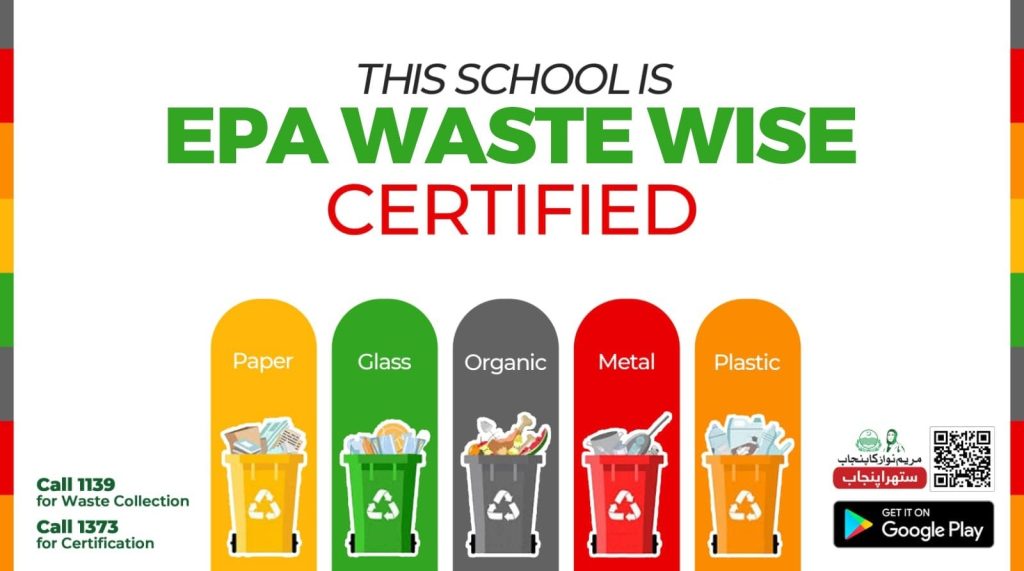
According to an official notification issued by the Punjab government, colour-coded waste bins will now be mandatory in all markets, shopping malls, commercial centers, government offices, and educational institutions. The move is part of the “Smart Waste Management Process,” which was initially approved last September for public and private educational institutions across Punjab.
Under the new system: Yellow bins will be used for paper waste, packaging materials, and recyclables. Green bins are designated for glass bottles, broken glass, and laboratory waste. Grey bins are for organic waste, including fruit peels, leftover food, leaves, and vegetable scraps. Red bins are allocated for metal and other hazardous metallic waste. Orange bins will collect plastic waste for recycling.
The Environmental Protection Agency (EPA) has been directed to ensure strict enforcement of the new rules. Institutions that fail to install color-coded bins will face legal action under the province’s environmental regulations.
Officials said the initiative aims to reduce the burden on landfills, promote recycling, and strengthen climate-friendly waste management practices—key targets linked to the United Nations Sustainable Development Goals (SDGs), particularly clean cities and responsible consumption.
The government has also opened a dedicated helpline, Punjab Management Helpline 1139, allowing educational institutions to request waste collection services directly.
The Local Government and Community Development Department will oversee the distribution and management of the color-coded bins, while the EPA will monitor compliance and report progress to the provincial leadership.
Environmental experts say the system, once fully implemented, will significantly help reduce greenhouse gas emissions produced from improper waste disposal, open burning of garbage, and overflowing landfills, major contributors to urban air pollution and climate change impacts in Punjab.
The provincial government hopes the modern waste management plan will help raise Punjab’s cleanliness standards to international levels, creating cleaner, healthier, and climate-resilient cities.