Pakistan’s Climate Crisis: Caught Between Rising Risks and Shrinking Support
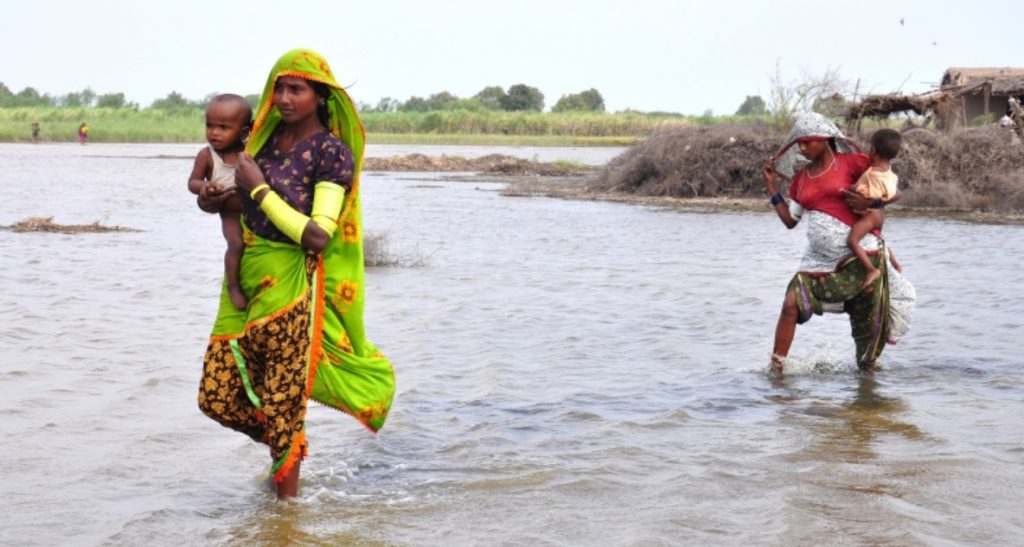
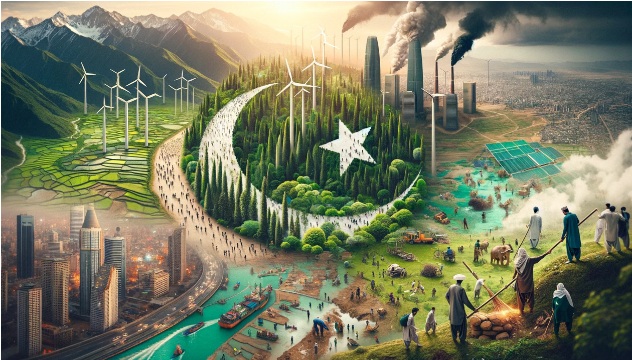
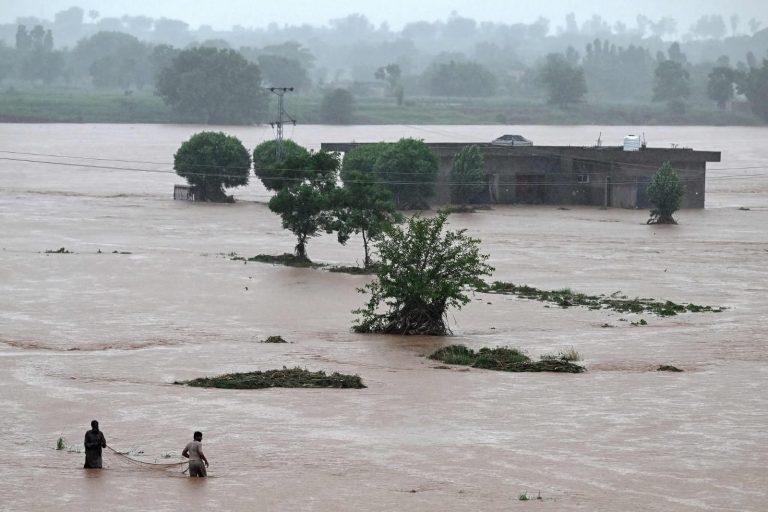
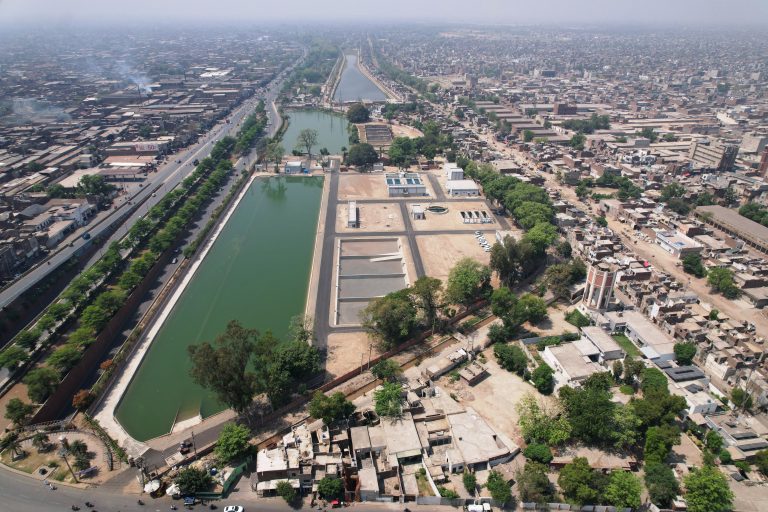
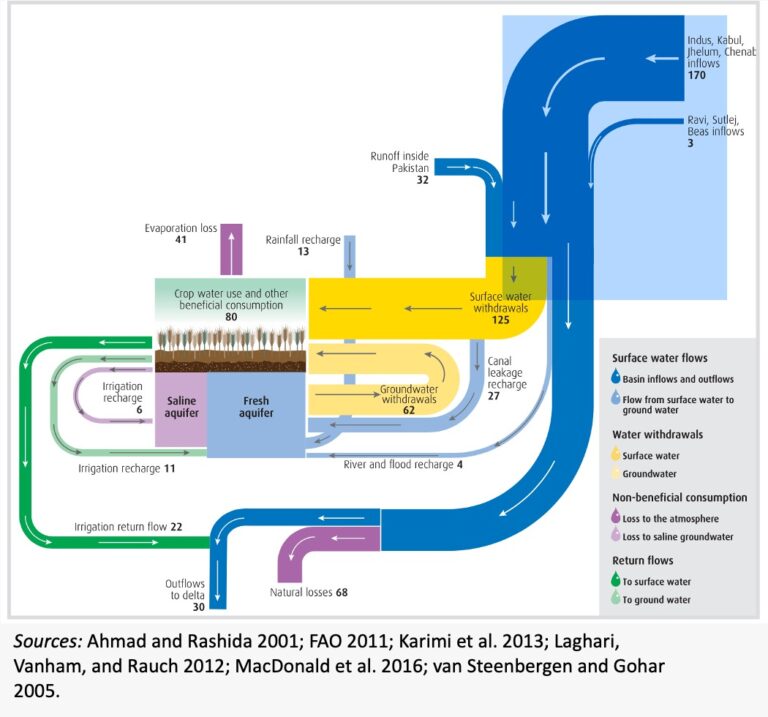
Over the past few years, catastrophic monsoon floods have devastated vast regions of the country, destroying infrastructure, displacing communities, and wiping out agricultural livelihoods. More recently, prolonged and intense heatwaves have gripped Sindh and southern Punjab, with temperatures soaring above 50°C. These extreme conditions threaten not just the environment, but human life — especially among vulnerable groups such as the elderly, children, and outdoor workers. They also worsen Pakistan’s water crisis by accelerating the evaporation of surface water from reservoirs and rivers, tightening the noose on the country’s already overstretched water resources.
The northern mountainous regions are also under climate stress. Glacial retreat due to rising temperatures has heightened the risk of glacial lake outburst floods (GLOFs), posing serious threats to downstream communities. These hazards demand swift action, yet the country remains underprepared and under-resourced.
Pakistan’s economy, deeply reliant on climate-sensitive sectors like agriculture, is already suffering. Erratic rainfall, water shortages, and pest invasions tied to warming temperatures have reduced crop yields and jeopardized rural incomes. This cascade of effects has intensified food insecurity and triggered internal migration as people abandon farming communities. Compounding the crisis, government resources are repeatedly diverted from development initiatives toward emergency response and disaster relief, undermining long-term planning and resilience-building efforts.
The health sector is equally strained. Surging heatstroke cases and outbreaks of vector-borne diseases like dengue and malaria are becoming more frequent. Overburdened hospitals, especially in rural and underdeveloped regions, lack the infrastructure to cope with climate-induced health emergencies. Meanwhile, people displaced by floods often live in overcrowded, unsanitary conditions that foster the spread of disease.
Despite being among the top five most climate-impacted countries globally, Pakistan has received far less in climate finance than it was promised. As of June 2025, only $4.9 billion — 45 percent of the $10.99 billion pledged by international institutions during COP-29 and other forums — had been disbursed. Even more telling, only $2.8 billion in project financing has reached Pakistan, compared to $6.3 billion promised at the 2023 Geneva conference on climate resilience.
Of the funds received, the World Bank contributed $1.49 billion, ADB $473 million, AIIB and China $250 million, IsDB $250 million, and the United States $69 million, among others. Oil-based assistance of $4.6 billion saw only $1.63 billion actually disbursed. These figures reflect a concerning trend: the widening gap between lofty global commitments and actual financial support.
A recent global climate finance report estimates that Pakistan faces a funding shortfall of $340 billion by 2030 to meet its climate adaptation and mitigation needs. The country requires $30–40 billion annually to build climate resilience and achieve its development goals. Yet international support remains fragmented and overly focused on mitigation projects like solar energy and electric vehicles — while adaptation financing, which is crucial for vulnerable countries like Pakistan, continues to be neglected. In 2023, only 10 percent of global climate finance was directed toward adaptation efforts.
Moreover, the majority of global climate finance in 2023 and 2024 — totaling $1.9 trillion and $2 trillion respectively — was driven by the private sector, but largely targeted projects in wealthier or more stable economies. Developing nations collectively received just $196 billion in 2023, with private investment making up a mere 22 percent of that. For Pakistan, climate finance in 2021 reached around $4 billion, 84 percent of which came from international partners, further highlighting its dependence on global goodwill.
Pakistan stands at a critical juncture where the escalating impacts of climate change demand urgent and sustained international cooperation. While the nation contributes minimally to global carbon emissions, it disproportionately bears the brunt of the climate crisis. Bridging the vast climate finance gap and prioritizing adaptation support are no longer matters of charity — they are imperatives of global climate justice. For Pakistan to chart a sustainable and resilient future, the international community must move beyond promises and deliver tangible support. Simultaneously, Pakistan must enhance its institutional capacity, improve climate governance, and ensure that every dollar of climate finance is used effectively to protect its people and environment.