OIC Unveils 10-Year Food Security Plan as UAF VC Advocates Agricultural Self-Sufficiency
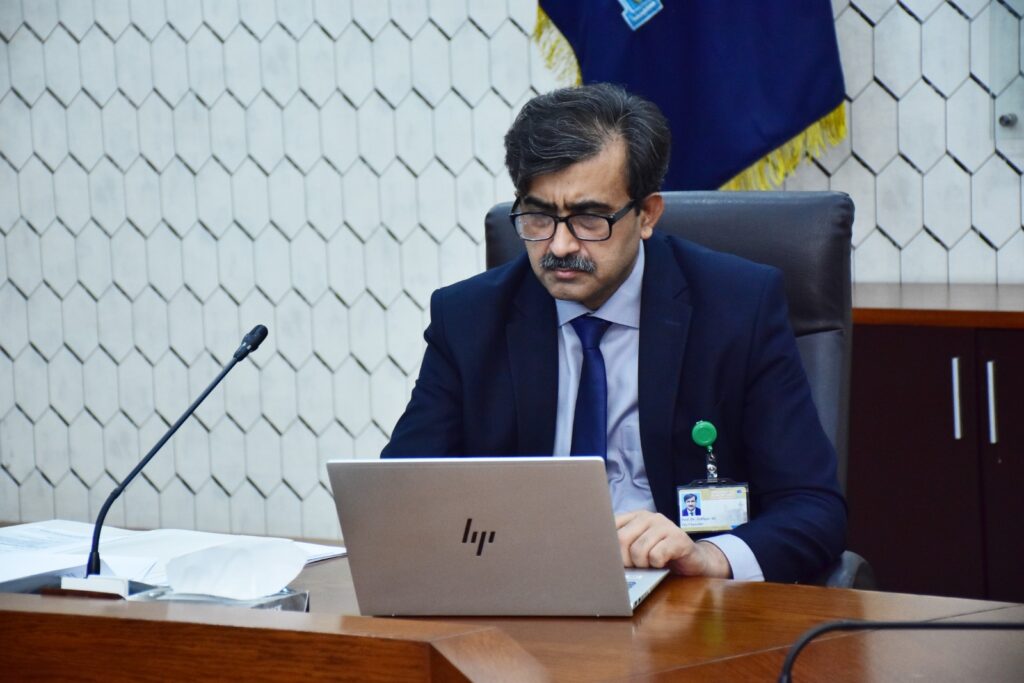
FAISALABAD: As food insecurity continues to pose a major global challenge, the Muslim Ummah must work together to strengthen agricultural development and achieve self-sufficiency, said University of Agriculture Faisalabad (UAF) Vice Chancellor Prof. Dr. Zulfiqar Ali.
Addressing a virtual meeting on the Organization of Islamic Cooperation’s (OIC) strategic plan for food security, held in Doha, he said the initiative will serve as a milestone for agricultural advancement across member states. The plan, spanning ten years, is being developed following the recommendations of the 9th OIC Ministerial Conference on Food Security and Agricultural Development in 2023. Since then, regional consultations have been conducted across Africa, the Arab world, and Asia to shape the framework.
Dr. Zulfiqar Ali said that OIC member states face pressing challenges in food security, trade balance, and economic growth. To address these, a comprehensive food security ecosystem has been designed covering the entire value chain. Its five core pillars include establishing model support centers, promoting industrial development, building farmers’ capacity, mobilizing resources, and enhancing intra-OIC trade.
He added that the plan emphasizes climate-smart agriculture, investment in research and development, and stronger agricultural infrastructure to counter environmental risks. It aims to boost productivity, integrate crop and livestock systems, reduce food losses and waste, and streamline production, processing, storage, and logistics.
The framework also incorporates legislative and regulatory reforms to empower women and youth, ensure efficient use of natural resources, improve food safety and quality, and expand digital technologies in agri-food systems. Model support centers will provide services in packaging, water management, pest control, training, and innovation.
“Through industrial development, we aim to achieve sustainable production, value-added products, and innovation, while capacity-building efforts will strengthen farmer cooperatives, agricultural zones, and distribution hubs,” he said.
According to the VC, the plan also includes initiatives in livestock development, food relief support, strategic commodities management, and intra-OIC trade agreements, paving the way for sustainable economic growth and a resilient food supply chain.