Bamboo: A Green Ally in the Fight Against Climate Change

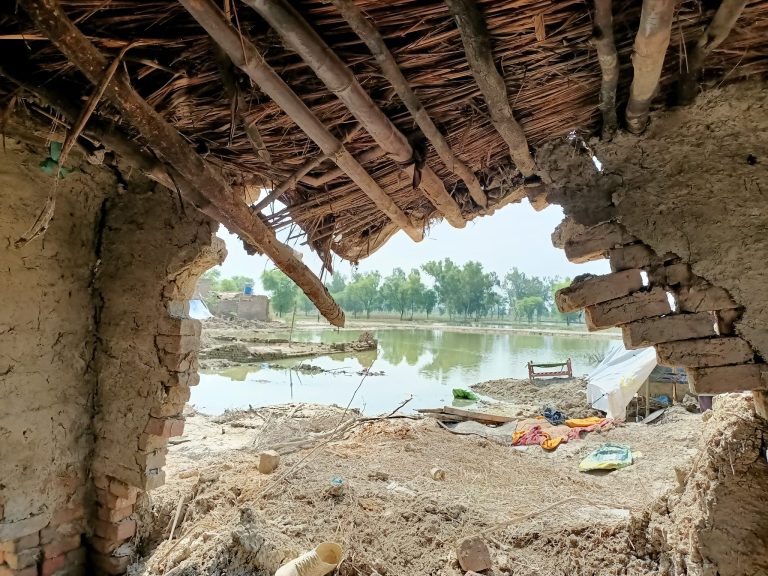
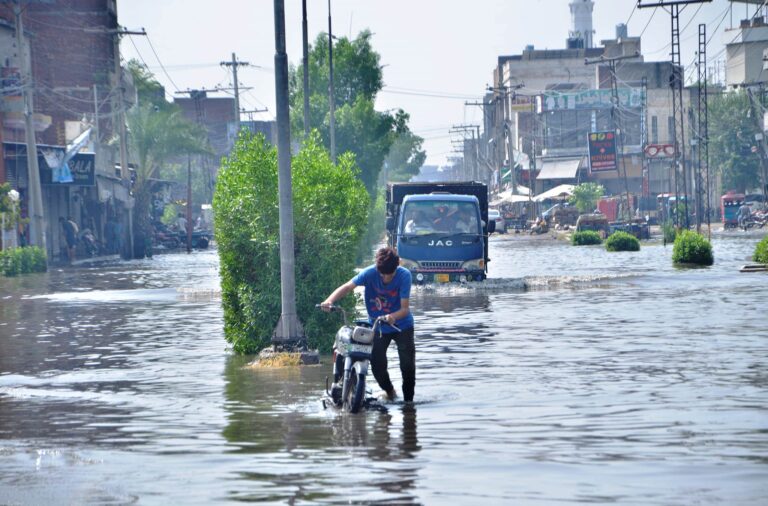
Climate change has emerged as one of the most pressing challenges of our time, and Pakistan is among the countries most vulnerable to its impacts. Rising temperatures, erratic rainfall, floods, and land degradation demand urgent and nature-based solutions. One such solution, often overlooked yet highly effective, is bamboo fast-growing plant with remarkable potential for carbon sequestration.Carbon sequestration refers to the process of capturing and storing atmospheric carbon dioxide (CO₂), one of the main greenhouse gases responsible for global warming. Forests are widely recognized as natural carbon sinks, but bamboo stands out due to its exceptionally rapid growth rate and high biomass production. Some bamboo species can grow up to one meter per day, enabling them to absorb large amounts of CO₂ in a relatively short period.
Unlike conventional trees, bamboo is a perennial grass that regenerates naturally after harvesting, without the need for replanting. This unique characteristic allows continuous carbon uptake while also providing regular economic returns. Studies have shown that well-managed bamboo plantations can sequester carbon at rates comparable to, and in some cases higher than, traditional forest species.
Beyond carbon storage, bamboo contributes to climate resilience. Its extensive root and rhizome system stabilizes soil, reduces erosion, and improves soil organic carbon. This makes bamboo particularly suitable for degraded lands, riverbanks, and areas prone to flooding—conditions commonly found in many parts of Pakistan.
The climate benefits of bamboo extend beyond the field. Bamboo-based products such as furniture, flooring, panels, and handicrafts store carbon for long periods while replacing carbon-intensive materials like steel, plastic, and concrete. This substitution effect further reduces overall greenhouse gas emissions.
For Pakistan, bamboo offers a unique opportunity to align climate mitigation with socio-economic development. Bamboo cultivation can support rural livelihoods, create green jobs, and strengthen small-scale industries. Integrating bamboo into agroforestry systems can also enhance farm income while improving environmental sustainability.
Despite its potential, bamboo remains underutilized in national climate and forestry policies. There is a strong need for targeted research, improved planting material, farmer awareness, and policy support to promote bamboo as a strategic climate solution. Including bamboo in carbon credit mechanisms and national afforestation programs could significantly enhance Pakistan’s contribution to global climate goals.
In conclusion, bamboo is not just a plant, it is a powerful natural tool against climate change. By embracing bamboo-based solutions, Pakistan can move toward a greener, more resilient, and climate-smart future.
The writer is an Assistant Professor in the Department of Forestry and Range Management at the University of Agriculture Faisalabad, Pakistan.