Climate Change Pushes Faisalabad Toward Water Collapse
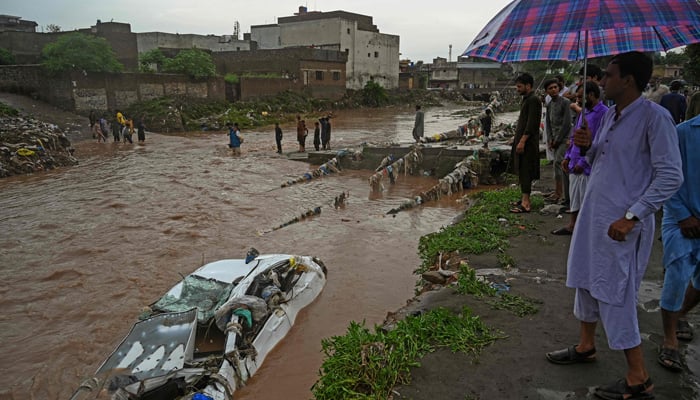
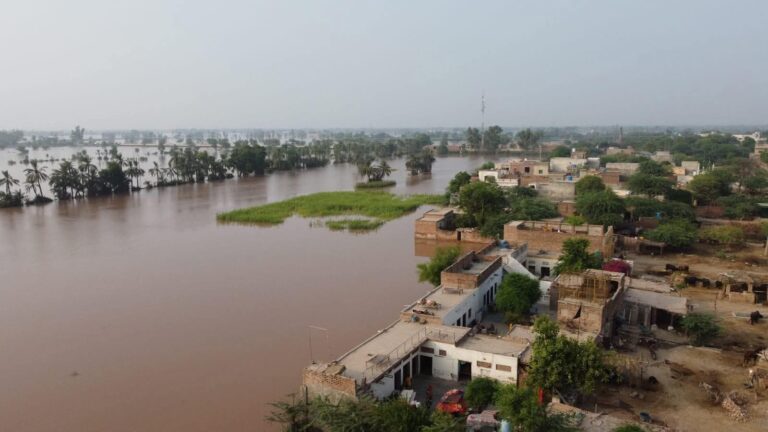
Faisalabad, once known for its fertile lands, well-organized canal system, and abundant water resources, is today facing a severe water crisis. Climate change has impacted the city’s water resources to such an alarming extent that clean drinking water is no longer a basic facility for citizens, but has become one of the most critical and difficult necessities.Over the past decade, groundwater levels in Faisalabad have dropped to dangerously low levels. Water that was once available at a depth of 40 to 50 feet has now descended to depths of 150 to 200 feet in many areas. Irregular rainfall patterns, prolonged heatwaves, and excessive use of tube wells are further worsening the situation. While heavy rains cause urban flooding, they also allow contaminated water to mix with clean groundwater reserves, giving rise to deadly diseases.
As Faisalabad is the country’s largest textile and chemical industrial hub, industrial waste plays a major role in contaminating groundwater. Various research reports indicate the presence of arsenic and heavy metals in the water of several parts of the city, which is causing a worrying increase in skin diseases, gastrointestinal problems, and kidney disorders.
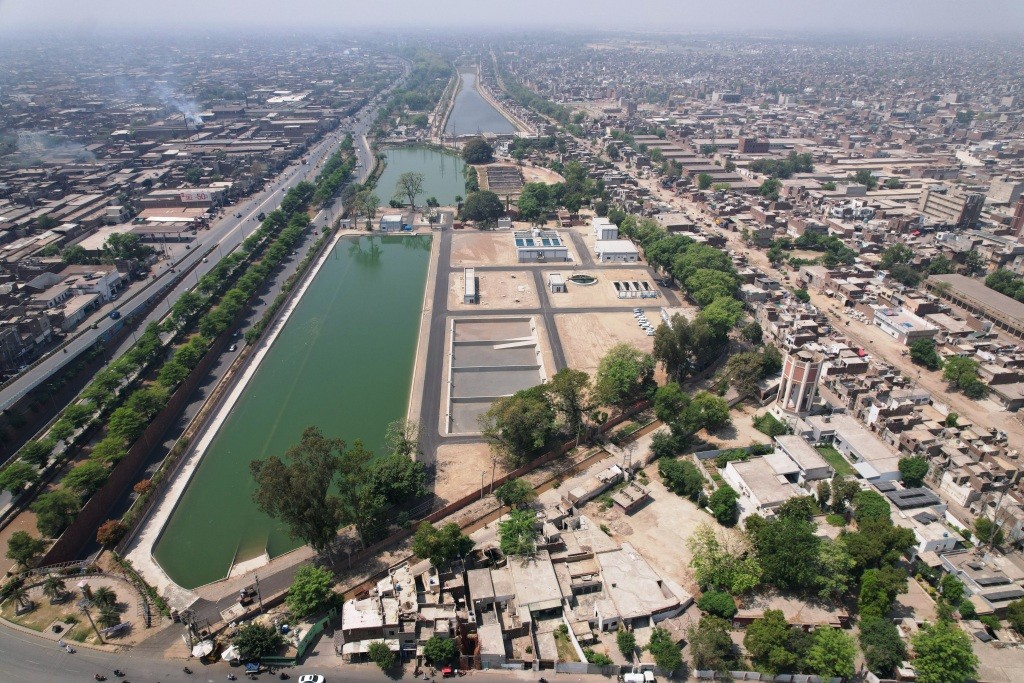
The supply of clean water in the city largely depends on WASA Faisalabad. However, old and deteriorated pipelines, continuous leakages, and limited facilities keep citizens in persistent hardship. In many low-income settlements, people are forced to drink contaminated water, resulting in waterborne diseases quietly becoming silent killers.
Amid this alarming situation, some positive measures have been initiated by WASA Faisalabad. In recent years, projects for exploring new water sources, installing deep tube wells, improving the use of canal water, and harvesting rainwater have been launched in different areas of the city. Along with this, repair of the old water supply network, construction of recharge wells, and action against illegal tube wells are also underway to protect underground water reserves.
However, these efforts are still insufficient when compared to present and future threats. It is imperative to make rainwater harvesting systems mandatory in homes, mosques, and educational institutions. Strict monitoring of effluent treatment plants in industrial units, implementation of water metering systems, and heavy fines for water wastage are among the most urgent needs of the time.
Water is not only the responsibility of the government or a single institution; it is a shared asset of every citizen. We must make careful use of water a habit in our homes, immediately report leakages, and consider water conservation a national duty for the sake of our future generations. If we fail to act today, tomorrow our coming generations will never forgive us.
About Authors:
Engineer Ghulam Shabbir is the Program Officer of Punjab Municipal Development Fund Company and Technical Director of WASA Faisalabad.
Professor Dr. Muhammad Sohail Sajid is the Chairman of the Department of Parasitology at the University of Agriculture, Faisalabad and a Chartered Member of the Climate Change Graduate Group.