Drowning in Neglect: How Urban Mismanagement and Climate Change Are Turning Pakistan’s Monsoons into Tragedy
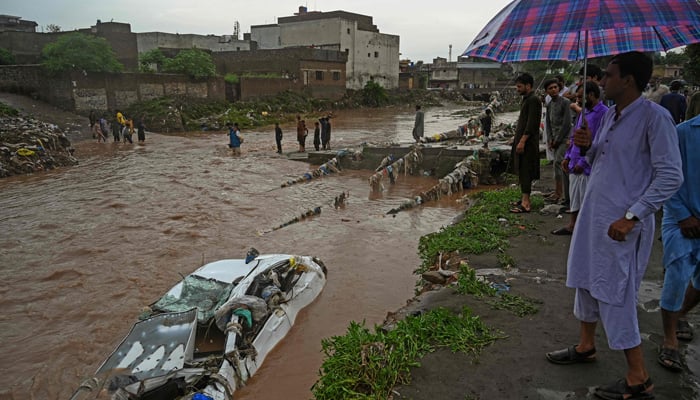
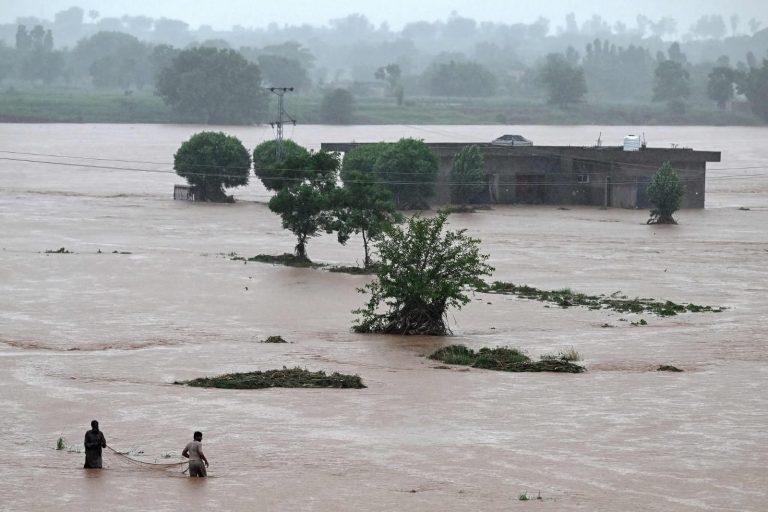
The recent torrential rains in Islamabad have once again raised an urgent and painful question: are such disasters the result of climate change, or are they the outcome of human interference in nature’s design? During these storms, widespread destruction was witnessed in areas like DHA, Saidpur Village, and localities surrounding Nullah Lai. Properties worth millions of rupees were damaged, and multiple lives were lost.
Among the most tragic incidents was the death of Colonel (Retired) Ishaq Qazi and his daughter on July 22 in Islamabad’s DHA Phase V. The two were swept away by powerful floodwaters while driving. Harrowing videos circulated on social media show a car being dragged by the water, with passengers desperately crying out for help. Later, Rescue 1122 recovered Colonel Qazi’s body from beneath a bridge connecting DHA Phase IV to Bahria Town Phases VII and VIII. His daughter was still missing at the time of reporting.
This incident has once again exposed the vulnerabilities created by unchecked and illegal urban development. Across Pakistan, housing societies often built without adherence to environmental guidelines encroach on natural watercourses to maximize the number of saleable plots. These developments choke off the natural flow of storm water, which during intense rains, results in catastrophic flooding.
The tragedy involving Colonel Qazi and his daughter drew widespread media and public attention primarily because it occurred in a high-profile area of the capital. However, this is not a problem unique to Islamabad. From bustling urban centers to scenic tourist destinations in the hills, rivers and natural drainage routes are being narrowed or obstructed by hotels, houses, and other infrastructure projects. This reckless disregard for ecological balance puts lives and livelihoods at risk.
Worryingly, the government remains ill-prepared to deal with such emergencies. There is an alarming shortage of adequate rescue and relief equipment across the country. In recent weeks, this lack of preparedness has led to preventable deaths in places like DHA Islamabad and Swat, where victims received no timely assistance.
Whether the blame lies with climate change or human negligence or a combination of both what’s clear is this, unless Pakistan rethinks it’s urban planning and enforces environmental regulations, tragedies like this will keep happening. The rain is not the real disaster; our choices are.
Monsoon rains in Pakistan are intensifying year after year, a trend now well-documented by the National Disaster Management Authority (NDMA). According to the NDMA’s latest report, Pakistan has already received 73% more monsoon rainfall this year than the annual average and the season is far from over.
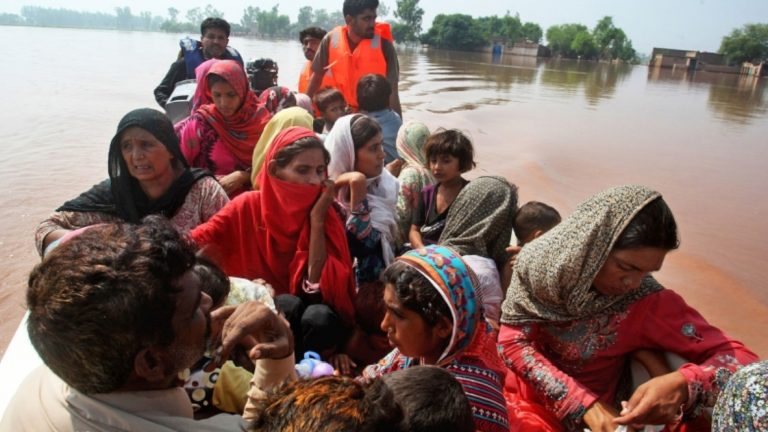
In the first two weeks of July alone, rainfall increased by 81% in Punjab and a staggering 187% in Balochistan, while provinces like Sindh and Gilgit-Baltistan received less rain compared to previous years. These record-breaking downpours have led to deadly consequences. As per NDMA, 242 people have died across the country, including 116 children and 43 women, while more than 500 people have been injured. The highest number of fatalities occurred in Punjab (63 deaths) and Khyber Pakhtunkhwa (30 deaths). Additionally, 854 homes have been damaged or destroyed.
Experts point to several interconnected causes for this worsening pattern: climate change, deforestation, global warming, and rising sea surface temperatures. All these factors are driven by human activity. Yet, what’s most concerning is that Pakistan continues to ignore the principles of eco-friendly development, intensifying the wrath of nature with each passing year.
While lightning strikes, flash floods, and torrential rains are natural phenomena, the failure to implement disaster mitigation strategies turns these events into humanitarian crises. Every year, monsoon rains hit, destruction follows, and once the storm passes, so does the urgency to act. In most cases, the response is limited to superficial photo ops by officials and relief agencies, with no long-term preparedness or structural reform.
To reduce the growing impact of climate change, Pakistan urgently needs to invest in large and small dams, urban water reservoirs, and rural rainwater harvesting ponds. These measures would not only mitigate floods but also help replenish underground water tables a critical resource for agriculture and urban water supply.
Equally important is the removal of encroachments from ancient riverbeds and floodplains. Many vulnerable communities are built directly on natural waterways, turning seasonal floods into death traps. Reclaiming these natural paths would significantly reduce both human and economic losses during future disasters.
If Pakistan continues to treat climate disasters as temporary episodes rather than symptoms of a deeper crisis, the country will remain trapped in an endless cycle of devastation. The time to act is now before next year’s monsoon writes another chapter of preventable tragedy.